Norweco Singulair Green Wantage NJ: Essential Care Tips for Every Season
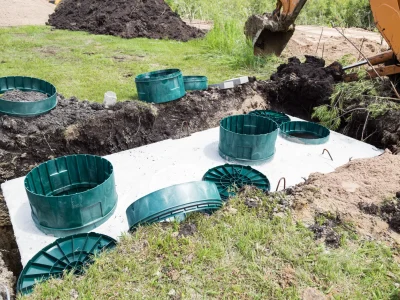
If you own a Norweco Singulair Green system in Wantage, NJ, you already know it is not a set-it-and-forget-it piece of equipment. It is a dependable aerobic treatment unit, but like any mechanical wastewater system, it performs best when it gets steady attention through the year. In Sussex County, where winters bite hard, spring can turn wet in a hurry, and summer storms hit in bursts, seasonal care makes a real difference.
That matters for two reasons. First, treatment performance depends on a healthy balance of air, water flow, and biological activity. Second, repair costs rise fast when small warning signs go ignored. A clogged effluent filter or weak aerator is one thing. A backup, alarm event, or failed component in frozen ground is something else entirely.
Homeowners in Wantage often ask the same practical question: what actually needs to be done from season to season to keep a Norweco Singulair Green running well? The answer is not complicated, but it is specific. A little routine attention, paired with smart service timing, usually prevents the biggest headaches.
Why seasonal care matters in Wantage
Wantage is not a mild-climate market, and that shapes how onsite treatment systems behave. Cold snaps can slow biological activity. Heavy spring saturation can stress drainage areas. Summer occupancy changes, especially when kids are home or guests visit, can increase loading. Autumn leaves and surface runoff can affect access lids and grading around the system.
A Norweco Singulair Green is designed to provide advanced wastewater treatment through aeration and clarification. That means it relies on mechanical components and living microorganisms. Both respond to environmental changes. The equipment does not need constant fussing, but it does need awareness. In my experience, systems that receive quick seasonal checks tend to stay quieter, cleaner, and more stable than systems that only get attention after an alarm goes off.
It also helps to remember what your system is trying to do every day. It is separating solids, circulating air, and promoting treatment before water moves onward. When any piece of that chain is disrupted, even slightly, performance can slip before a homeowner sees obvious symptoms indoors.
The basic rule: protect biology, protect equipment, control water use
Homeowners sometimes focus only on what gets flushed, and that is part of the picture, but not the whole thing. Good care for a Norweco Singulair Green in Wantage NJ comes down to three habits working together.
Protect the biology by avoiding bleach-heavy dumping, antibacterial overuse, grease, wipes, solvents, and anything that kills or overwhelms the treatment process. Protect the equipment by watching alarms, keeping lids secure, scheduling service, and replacing worn components before they fail under load. Control water use by spreading laundry, fixing leaks promptly, and avoiding sudden surges that flood the system with more volume than it can comfortably process.
A system can tolerate occasional household variation. What causes trouble is repeated abuse or neglect. One leaking toilet flapper can send hundreds of extra gallons through the plant over time. A sump pump tied in where it does not belong can create chronic overload. Neither looks dramatic at first, but both shorten the margin for error.
Spring: the season that reveals hidden problems
Spring is when many wastewater issues show themselves. Snowmelt, groundwater pressure, and rain expose weak drainage, marginal grading, and deferred maintenance. If there is one season when a visual inspection pays off immediately, it is spring.
Walk the area around the treatment unit and any associated discharge or dispersal components. You are not digging or opening anything dangerous. You are looking for clues. Soft, persistently wet ground, unusual odors, lush green strips that do not match surrounding growth, and standing water near covers all deserve attention. In Wantage, a soggy yard after a very wet stretch is not unusual, but a constantly wet patch concentrated around the system should not be ignored.
Spring is also a good time to confirm that access risers and lids came through winter intact. Frost heave and shifting soil can leave lids uneven or allow surface water to move where it should not. Even a slightly compromised lid can admit runoff, especially during hard rains.
This is also when many homeowners notice an aerator sound change for the first time. After a quiet winter indoors, the hum or vibration near the unit stands out. A healthy unit usually sounds consistent. Grinding, sharp rattling, or repeated cycling deserves a closer look by a qualified service provider.
What to pay attention to after thaw
A Norweco Singulair Green system does not need amateur disassembly every spring. It needs sensible observation. If you are planning one seasonal homeowner check, do it after the ground has thawed but before peak summer usage begins.
Here is a practical spring checklist:
- Look for ponding water, odor, or unusually soft soil around the system area.
- Confirm lids, risers, and vents are secure and free of winter damage.
- Review indoor plumbing for slow drains, gurgling, or sewage odor.
- Check whether any alarm light or audible signal has activated.
- Schedule routine service if it has been delayed over winter.
That five-minute walkaround catches more than people expect. I have seen spring inspections uncover everything from a cracked lid to runoff flowing straight toward the treatment unit from a downspout extension that shifted during snow removal.
Summer: managing heavier use and storm swings
Summer tends to bring a different pattern. Water use rises. Kids are home. Guests visit. Laundry piles up after camps, sports, and yard work. Then come the thunderstorms, sometimes dropping a surprising amount of water in a short period.
For a Norweco Singulair Green in Wantage NJ, summer care is mostly about load management. Aerobic treatment units can handle regular household use very well, but they are not built for abrupt flooding from avoidable water surges. If the house is hosting a reunion or full-weekend crowd, spread out showers and laundry as much as possible. It sounds simple because it is simple, and it works.
It is also smart to watch what enters the system during grilling and outdoor season. Grease, marinades, and food scraps have a way of ending up in the kitchen sink when people are moving fast. Fats do not treat well, and they contribute to buildup that can reduce efficiency over time.
Summer growth around the system deserves attention too. Grass over the area is usually fine if roots are shallow and traffic is light, but shrubs and trees planted too close can create long-term problems. The issue is not just roots entering places they should not. Dense landscaping also makes service access harder and can trap moisture around lids and risers. Keep the area accessible and visible.
One more summer issue is mowers and vehicles. It is common for homeowners to forget exactly where the tank or treatment unit sits, especially after landscaping fills in. Driving a riding mower, compact tractor, or delivery vehicle across components is not worth the risk. Repeated pressure can damage lids, risers, or underground structures.
Fall: prepare before cold weather locks everything in place
Autumn is the season I wish more homeowners took seriously. A little prevention in October or November can save a service call in January.
Start with housekeeping around the site. Remove leaf buildup over access points so lids stay visible and drainage around them remains normal. Check grading again. If summer rains created ruts or channels that direct water toward the system, correct that before freeze-thaw cycles make the issue worse.
Fall is also an ideal time to catch up on scheduled pumping or professional maintenance if it is due. The exact pumping interval depends on occupancy, tank size, and system configuration, so there is no honest one-size-fits-all number. Many households fall somewhere around every three to five years for septic tank pumping, but actual need varies. The important point is not to guess. Follow your service records and technician guidance. With an advanced treatment unit, service intervals for inspection and component care are often more frequent than pumping intervals.
If your property includes a seasonal structure, guest space, or changing occupancy pattern, mention that to your service provider. I have seen houses that behave like a two-person home for eight months, then function like a six-person home all summer. That pattern matters when evaluating solids accumulation and treatment performance.
Fall habits that make winter easier
The best cold-weather preparation is boring, which is a compliment. Fix drips and running toilets. Clean up grading. Confirm access. Service the system on time. That is the work that prevents frozen emergencies.
A few sensible fall priorities stand out:
- Repair plumbing leaks that increase daily flow.
- Keep roof drains, sump discharges, and surface runoff away from the treatment area.
- Do not insulate the site with mulch piles or heavy landscaping debris over access points.
- Make sure your service records are current and easy to find.
- Ask about any unusual noises, odors, or alarm history before winter begins.
Those steps are especially useful in Wantage because winter service is simply harder. Frozen ground limits options, snow hides evidence, and emergency visits rarely happen under ideal conditions.
Winter: protect the system without smothering it
Cold weather changes how people think about onsite systems. Many assume the main goal is to keep the unit warm at all costs. In reality, the better goal is to protect normal operation and avoid exposing the system to conditions that invite freezing.
A Norweco Singulair Green generates some internal heat through wastewater flow and biological activity. Snow cover can also act as insulation. Problems often begin when a home is vacant for long stretches, when water use drops sharply, or when covers are opened unnecessarily in extreme cold.
If you leave for an extended period in winter, do not make abrupt decisions without guidance. Some homeowners are tempted to shut systems down improperly or cut power to save money. That can create more problems than it solves. A system designed for ongoing treatment usually benefits from remaining in proper operating condition. If vacancy will be significant, discuss it with your service professional so they can advise based on the exact setup.
Snow removal deserves mention. Avoid piling massive berms over access points with a plow. At the same time, do not scrape the area down to bare frozen soil if natural snow cover is helping moderate temperatures. Gentle awareness beats aggressive clearing.
One winter story comes up again and again: a homeowner hears an alarm during a cold snap, assumes it can wait, and wakes up to indoor plumbing trouble two days later. Alarms are not background noise. They are early warnings. On many systems, fast response turns an emergency into a routine service call.
What you should never flush or drain into the system
A Norweco Singulair Green is robust, but it is not a trash can. The treatment process relies on microbial action and clear flow paths. Certain household products interfere with both.
The obvious offenders are wipes, feminine hygiene products, diapers, paper towels, grease, paint, solvents, and automotive fluids. Less obvious are “flushable” products, heavy doses of disinfectant, and repeated dumping of mop water loaded with harsh cleaners. Even if an item disappears from the bowl, that does not mean it belongs in the treatment process.
Garbage disposals also deserve a realistic conversation. They are convenient, but they add solids. In homes with advanced onsite treatment, frequent disposal use can increase maintenance demand. I am not saying nobody can ever use one. I am saying the system pays the price for that convenience.
Understanding alarms without panicking
Many homeowners in Wantage only learn about their alarm panel after it activates. That is backwards. You should know where it is, what it looks like, and who to call before anything happens.
An alarm on a Norweco Singulair Green can signal several issues, depending on the configuration. It may relate to aeration, pump performance, water level, or another operating condition. The exact meaning varies, which is why guessing is unhelpful. What matters is the response.
If an alarm sounds, reduce water use immediately. Do not keep doing laundry while deciding whether it is serious. Check for obvious issues such as tripped breakers only if you can do so safely and confidently. Then contact your service provider. The first goal is to avoid overloading a system that is already telling you something is wrong.
I have seen homeowners save themselves a major cleanup simply by stopping water use early. That includes skipping dishwasher cycles, delaying showers, and pausing laundry until the system is evaluated. Those few hours of restraint can preserve storage capacity and buy time.
Service intervals, inspections, and what professionals actually look for
Routine professional service is not a formality. On a Norweco Singulair Green, inspections typically involve checking the aerator or air delivery, verifying component function, assessing sludge and scum levels where applicable, observing treatment quality, and cleaning or replacing serviceable parts according to manufacturer and local requirements.
In New Jersey, local oversight, permits, and operational expectations may vary by municipality and installation type, so homeowners should not rely on a generic schedule pulled from a forum. Use the records that came with your installation and follow the advice of a qualified local provider familiar with advanced treatment systems in Sussex County.
When technicians inspect a unit, they are not just asking, “Is it on?” They are reading the health of the whole process. Is airflow steady? Are solids where they should be? Is the clarifier behaving normally? Is the filter loading faster than expected? Does water use at the property line up with what the system appears to be receiving? Those observations matter because wastewater systems rarely fail all at once. They drift first.
Signs your system may need attention sooner than scheduled
A well-maintained norweco singulair green Wantage NJ system can still develop problems between routine visits. What matters is recognizing changes early.
Watch for recurring drain sluggishness across more than one fixture, not just a single sink trap. Notice persistent sewage odor indoors or around the treatment area. Take seriously any alarm activation, unusual surface wetness, or gurgling toilets. Pay attention if your lawn over the system suddenly looks dramatically different from surrounding areas during a normal weather period.
One subtle sign is changing household tolerance. If the home used to handle two showers and a laundry load comfortably, but now seems to protest under that same pattern, the system may be losing processing margin. That does not diagnose the issue by itself, but it is worth reporting.
The role of records, especially for resale and long-term planning
The homeowners who manage these systems best are often the ones who keep the best records. Dates of service, pumping, repairs, alarm events, and occupancy changes help technicians spot patterns quickly. They also help during property sales, where advanced treatment systems often become a point of scrutiny.
A neat folder with service invoices and a simple note norweco singulair green Wantage NJ about past issues is surprisingly valuable. It can show that the Norweco Singulair Green in Wantage NJ has been cared for consistently, which is reassuring to buyers and useful to service professionals. More importantly, it gives you a real maintenance history instead of relying on memory.
Local judgment matters more than internet advice
There is plenty of online advice about septic and treatment systems, and some of it is useful. Much of it is too broad to be trusted without context. Wantage properties vary. Some sit on easier sites with predictable drainage. Others deal with slope, shallow seasonal wetness, or usage patterns that challenge treatment.
That is why local judgment matters. A professional who has worked on Norweco units in Sussex County will usually understand how weather, soil conditions, and municipal expectations shape practical maintenance. They can tell the difference between a harmless seasonal quirk and a warning sign that needs action.
For homeowners, the takeaway is straightforward. Treat the system as part of the house, not as buried infrastructure that can be forgotten until it fails. Seasonal care is less about doing complicated work and more about timing, attention, and restraint.
A Norweco Singulair Green rewards that kind of ownership. Keep water use sensible. Keep harmful waste out. Respect alarms. Schedule service before problems stack up. In Wantage, where every season brings its own stress, that steady approach is what keeps the system performing cleanly and predictably year after year.
Excavating New Jersey LLC
406 County Rd 565
Wantage, NJ 07461, United States
Phone: +1 (973) 791-4284
FAQ About norweco singulair green Wantage NJ
How does a Norweco septic system work?
Singulair Green uses aerobic biological treatment in a polyethylene tank, followed by settling and filtration. The treatment unit is one part of a complete wastewater system; the site design also determines how treated effluent is dispersed.
How much does a Norweco septic system cost in NJ?
A useful estimate requires a property evaluation. Excavation access, soil conditions, engineering, electrical work, the disposal field, and restoration can affect the total. Ask Excavating New Jersey LLC for a written scope that distinguishes installation costs from ongoing service costs.
Are Norweco septic systems good?
Singulair Green is an established aerobic treatment option, but suitability depends on the property and proposed design. Compare the model's documented performance, maintenance needs, and total project scope with alternatives before deciding.