Signs Your Norweco Singulair Green System Needs Service
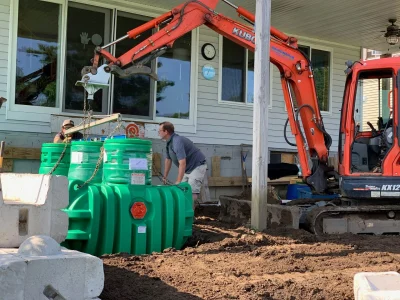
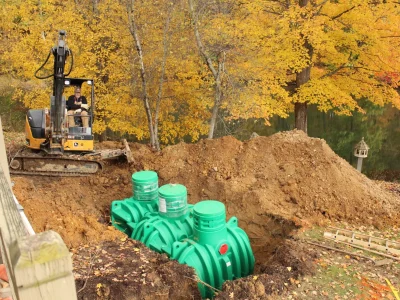

A Norweco Singulair Green system is designed to do something a standard septic tank cannot. It does not just hold wastewater and let solids settle. It actively treats wastewater through aeration, clarification, and controlled discharge or downstream dispersal. When it is working properly, it tends to be quiet in the background, with little drama beyond routine maintenance. When it starts drifting out of spec, the signs usually show up before a full failure.
That matters because treatment systems do not usually fail all at once. More often, they slide. An air delivery issue lowers oxygen levels. Sludge creeps up. Effluent clarity slips. Odors begin to appear near the tank or vent. A homeowner notices a blinking light, a wet patch in the yard, or a toilet that starts acting strangely. None of those symptoms should be ignored, especially on an aerobic treatment unit where mechanical components do real work every day.
If you have a norweco singulair green unit at home, knowing what counts as an early warning sign can save money, protect the drain field or discharge area, and prevent a service call from turning into a repair emergency.
Why these systems need attention sooner than a conventional septic tank
A basic septic tank has no compressor, fewer moving parts, and less to monitor. A Singulair Green system is different. It relies on oxygen, internal flow patterns, and timed treatment stages to produce better effluent quality. That better performance is the whole point, but it also means the system depends on equipment staying in adjustment.
In the field, the systems that stay trouble free are usually not the ones that never need service. They are the ones where small issues are caught early. A weak air supply, for example, might not seem urgent on day one. Give it a few weeks or months, and you can end up with septic odors, excess solids carryover, and stress on downstream components. Homeowners often call only when something becomes obvious, but many service technicians can spot a problem much earlier through sound, odor, water level, sludge depth, and alarm conditions.
The practical takeaway is simple. If your system starts behaving differently, even subtly, there is usually a reason.
An alarm light, buzzer, or control panel warning
This is the clearest sign that service is needed. Many homeowners are tempted to silence the alarm and wait, especially if the plumbing still works. That is a mistake. An alarm on a Norweco Singulair Green system is not decorative. It is there because the unit has detected an operating condition outside the normal range, often related to aeration, pump function, liquid level, or electrical supply.
Sometimes the cause is straightforward. A breaker trips after a storm. A float hangs up. A compressor loses output. In other cases, the system is still operating partially, which can be misleading. You may still be able to shower and flush, but treatment quality could already be compromised.
One common pattern is a homeowner hearing the buzzer at night or noticing a red light on the panel in the morning, then seeing it disappear later. Intermittent alarms deserve just as much attention as constant ones. Electrical components and floats often fail intermittently before they fail completely. If the warning happened once, it can happen again, usually at a less convenient time.
Unusual odors around the tank, vent, or discharge area
A healthy aerobic system should not create a strong sewage odor around the home. No wastewater system is completely odorless in every condition, especially during hot weather or low wind, but persistent foul smells are a red flag.
The type of odor can tell you something. A stale, septic smell often points to poor aeration or overloaded treatment. A sharp sulfur note can suggest wastewater has gone anaerobic where it should not. If the smell is strongest near the tank norweco singulair green lids, venting points, or spray area, that narrows the search.
I have seen homeowners dismiss odor because it comes and goes. That is common, especially when the system is right on the edge. Warm afternoons, heavy water use, or a few loads of laundry can be enough to tip the balance and make the smell noticeable. Then the weather shifts and the odor fades, which leads people to assume the problem solved itself. It usually did not.
Odors can also show up after changes in household habits. More guests, a leaking toilet, back to back laundry days, or heavy use of bleach and harsh cleaning chemicals can disrupt treatment. The cause is not always mechanical, but the odor still signals a system that needs evaluation.
The air compressor sounds different, or seems too quiet
Aerobic treatment depends on air. On many Singulair Green installations, the compressor is one of the hardest working pieces of equipment on the property. Homeowners who live with the system long enough usually become familiar with its normal sound, a steady hum or vibration pattern that blends into the background. When that sound changes, pay attention.
A compressor that becomes louder may be straining, vibrating excessively, or pushing against a restriction. A compressor that becomes unusually quiet norweco singulair green can be just as concerning if airflow has dropped. In the field, failing diaphragms, worn internal components, clogged air pathways, and electrical issues all show up first as sound changes before a complete loss of function.
There is also the issue of heat. Compressors naturally run warm, but overheating or repeated shutdowns suggest the unit is under stress. If the housing feels unusually hot, or if you notice the compressor cycling oddly, service is prudent. A compressor that dies completely is not just a small accessory failure. Without adequate aeration, treatment quality falls quickly.
Water backing up slowly inside the house
People often assume slow drains always mean a clog in the house. Sometimes that is true. But when multiple fixtures slow down at the same time, especially after normal use patterns have not changed, the treatment system should be considered part of the diagnosis.
A Norweco Singulair Green unit can contribute to drainage problems if liquid levels rise where they should not, if solids accumulation is excessive, or if downstream disposal components are restricted. You might first notice a bathtub draining slower than usual, a toilet gurgling after a flush, or bubbling at a nearby fixture. On its own, one symptom may not prove a system issue. Taken together, these signs deserve a closer look.
What homeowners often miss is timing. If backups or slow drainage get worse after showers, laundry, or dishwasher use, that points to volume related stress. It suggests the system is handling low flow but struggling under typical peaks. That is often how treatment or dispersal problems present in the early stage.
Effluent looks cloudy, dark, or carries solids
Many homeowners never directly see treated effluent, depending on the site design. But when they do, visual changes matter. Properly treated wastewater from an aerobic unit should not look like raw sewage. If water at an inspection point, pump chamber, or discharge area appears dark, turbid, or visibly full of solids, something is off.
Cloudiness can mean poor settling, inadequate aeration, excessive sludge, hydraulic overload, or mechanical issues inside the treatment train. Floating solids are especially concerning because they can migrate where they do damage, whether that is to a pump, filter, spray head, or soil absorption area.
This is one of those areas where homeowners are wise to trust their instincts. If the water simply looks wrong compared with what you have seen before, call for service. You do not need laboratory training to recognize when treated water has lost clarity.
Wet spots, lush grass, or surfacing water near the system
A patch of greener grass is not always a problem. Sometimes it is irrigation, shade differences, or soil variation. But if the area around the treatment unit, discharge line, or dispersal field becomes unusually wet, spongy, or greener than the rest of the yard, the system needs attention.
Surfacing effluent is a stronger warning. Even small damp spots that smell like wastewater should be taken seriously. Aerobic systems can mask trouble longer than people expect because the water may look less offensive than raw septic discharge. That does not make it acceptable or safe.
A homeowner once described it to me as a part of the yard that “never quite dries out.” That phrase comes up a lot. It is not always standing water. Sometimes it is just persistent dampness in conditions when the surrounding soil is dry. That can point to overloading, restricted dispersal, or a mechanical problem that keeps water moving to the wrong place.
The system needs pumping sooner than expected
No fixed pumping interval fits every household. Occupancy, water use, garbage disposal habits, and maintenance history all affect sludge and scum buildup. Still, if your system seems to need pumping more often than before, or if a service provider tells you solids are accumulating unusually fast, something may be changing in the process.
Rapid solids buildup can reflect poor biological treatment, disrupted aeration, excess grease, or heavy use patterns. It can also happen when the household is putting more into the system than the unit was sized to comfortably handle. New family members, short term rentals, and work from home patterns have changed wastewater loading in many homes over the last several years.
The key point is that pumping treats a symptom, not always the underlying cause. If the system keeps reaching trouble levels faster than it used to, that is worth investigating.
Sprinkler or spray problems, if your setup uses spray dispersal
Some Singulair Green installations discharge to a spray field, depending on local design and permitting. When that is the case, the spray pattern itself can reveal service issues. Weak pressure, uneven coverage, heads that clog repeatedly, or discharge where it should not occur all indicate the system deserves inspection.
Spray dispersal works best when the upstream treatment is doing its job. If solids or biological growth begin traveling downstream, nozzles clog and distribution becomes inconsistent. Homeowners sometimes replace or clean a head only to have the problem return quickly. That usually means the real issue is upstream.
Pay attention to timing as well. If the spray runs at odd times, cycles too long, or seems absent during periods when it normally operates, there may be a control, float, pump, or timer problem.
Your water bills rose without a clear reason
This is not always the first clue people think of, but it can be a useful one. A leaking toilet flapper, stuck fill valve, or hidden plumbing leak can send a surprising amount of extra water into a treatment system. That overload may show up first in the wastewater equipment before the homeowner notices anything else.
If your water use climbs but your habits have not changed, look at both ends of the equation. Find the plumbing leak, then consider whether the system has been stressed long enough to need service. I have seen aerobic units recover nicely once the excess flow stops, and I have seen others that needed cleaning, adjustment, or pumping because the leak had gone on for months.
A constantly running toilet can add hundreds of gallons a day. On a treatment unit sized for normal residential use, that can change conditions fast.
The most common signs are often subtle at first
The easiest service calls are the early ones. The hardest are the ones where several small warnings were ignored until they stacked into a larger problem. If you want a short practical check, these are the signs that most often justify a closer look:
- alarm light, buzzer, or repeated panel warning
- septic or sulfur odors around the unit or yard
- slow drains at multiple fixtures, or gurgling after water use
- wet, unusually green, or odorous ground near system components
- changes in compressor sound, spray pattern, or effluent appearance
None of these signs automatically means a catastrophic failure. They do mean the system is asking for attention.
What not to do when you suspect a problem
Homeowners sometimes make a manageable situation worse by trying to force the system through it. If the unit appears stressed, reducing water use until it is inspected is smart. Continuing with marathon laundry days, long showers, and heavy cleaning is not.
Chemical quick fixes are also a poor bet. Pouring additives, disinfectants, drain openers, or mystery septic treatments into an aerobic unit can interfere with the biology or damage components. These systems are engineered pieces of wastewater equipment, not black boxes that improve when extra chemicals are dumped into them.
Digging around lids, opening electrical compartments, or tampering with floats without training can create safety issues. Wastewater gases, confined spaces, and electrical components deserve respect. There is a reason service work on these units is usually handled by trained technicians.
When a problem is probably urgent
Not every service issue is an emergency, but some are closer than others. If sewage is backing up into the home, effluent is surfacing in the yard, the alarm is active and persistent, or the compressor has clearly stopped running, do not wait for a convenient day next week.
In practical terms, urgency rises when any of the following are true. The household cannot use plumbing normally, wastewater may be reaching the surface, strong odors are affecting occupied areas, or freezing weather is approaching and a partially failed system could become harder to repair. Delays tend to increase both cost and inconvenience.
A small example from real life conditions: a failing compressor caught on a mild Tuesday can often be replaced before treatment quality drops too far. The same failure ignored through a holiday weekend with a house full of guests can lead to high liquid levels, odors, and downstream fouling that makes the repair bill look very different.
Routine service is not optional on an aerobic treatment unit
Many problems attributed to “sudden failure” were really maintenance gaps. The norweco singulair green line is built for long service, but only if the unit is inspected and maintained on schedule. Service intervals depend on local requirements, installer recommendations, and how the home is used, but regular visits matter.
During maintenance, a technician may check air delivery, inspect mechanical components, verify alarms and floats, measure sludge levels, clean or adjust parts, and look at effluent quality. Those are not cosmetic tasks. They are how small deviations are caught before they trigger larger consequences.
For homeowners, routine service also creates a baseline. Once someone familiar with your system has seen it operating normally, changes are easier to identify later. Without that baseline, every odd sound or smell becomes guesswork.
A few household habits that affect system performance
Service needs do not always begin with equipment failure. Everyday habits shape how well an aerobic unit performs. Water use spread out over the week is easier on the system than concentrated heavy use. Flushing wipes, grease, feminine products, paper towels, and other non biodegradable items invites problems. Excessive bleach and antibacterial products can upset treatment biology, especially in smaller households where the microbial balance is already lighter.
Even food waste matters. A garbage disposal increases organic loading and solids. Some households manage that without issue, others push their system harder than they realize. This is one area where practical judgment beats blanket rules. A home with two occupants and conservative water use is very different from a busy family house with guests every weekend.
If your service needs are increasing, it is worth looking not just at the equipment but also at what the household is sending into it.
The right response when you notice a warning sign
If you suspect your Norweco system needs service, the best move is usually straightforward. Reduce water use, note the symptoms, and contact a qualified service provider familiar with aerobic treatment units. Specific observations help more than vague ones. Mention whether the alarm is steady or intermittent, when the odor is strongest, whether recent rains were heavy, and whether any plumbing leaks or unusual water use occurred.
A good technician will use those details. They help separate a process upset from an electrical issue, a compressor problem from a dispersal problem, or a household overload from a failing component. That kind of context often shortens diagnosis and avoids unnecessary replacement.
For homeowners, the important thing is not to wait for certainty. You do not need to know exactly what failed before making the call. The value is in catching the change early, while the fix is still proportionate to the problem.
A norweco singulair green system usually gives some warning when it needs help. The trick is recognizing those warnings for what they are. A smell that lingers, a compressor that sounds off, a soft wet patch in the yard, a blinking alarm panel, or a set of drains that all suddenly move slower than usual, each is the system speaking in its own way. When you respond early, service tends to stay routine. When you let those signs ride, routine service has a way of turning into repair.
Excavating New Jersey LLC
406 County Rd 565, Wantage, NJ 07461, United States
+1 973-791-4284
FAQ About norweco singulair green
How much does a NORWECO septic system cost?
The installed cost depends on the selected unit, engineering, site access, excavation, electrical work, disposal-field design and required approvals. A tank-only price is not a complete installation quote. Ask Excavating New Jersey LLC for a site-specific, itemized estimate that also explains ongoing service costs.
How does a Norweco septic system work?
The Singulair Green uses pretreatment, aeration, clarification and filtration to treat domestic wastewater. In the aeration chamber, oxygen supports bacteria that break down organic material. The Bio-Kinetic unit provides further filtration and flow equalization. Final effluent disposal must follow the property's approved design and applicable requirements.
What is the average lifespan of a septic system?
There is no guaranteed lifespan for every system. Design, installation, soil conditions, wastewater loading and regular maintenance all matter, and mechanical parts may need replacement before the tank. For a Singulair Green system, follow the manufacturer's service schedule and have a qualified provider assess its condition and pumping needs.